German citizens do not need a visa to enter Morocco for stays of up to 90 days. A valid German passport is the only document required for entry. This visa-free arrangement has been in place since January 1969 and applies to all European Union member states.
Do German Citizens Need a Visa for Morocco?
No. Germany is one of the visa-free countries for Morocco, meaning German passport holders can enter Morocco without obtaining any visa in advance. This exemption covers tourism, business visits, and family visits for up to 90 days within a 180-day period.
The visa-free arrangement is part of Morocco’s broader policy granting entry without a visa to all EU member states, EFTA countries, the United States, the United Kingdom, Canada, Australia, and several other nations.
What About the Morocco eVisa?
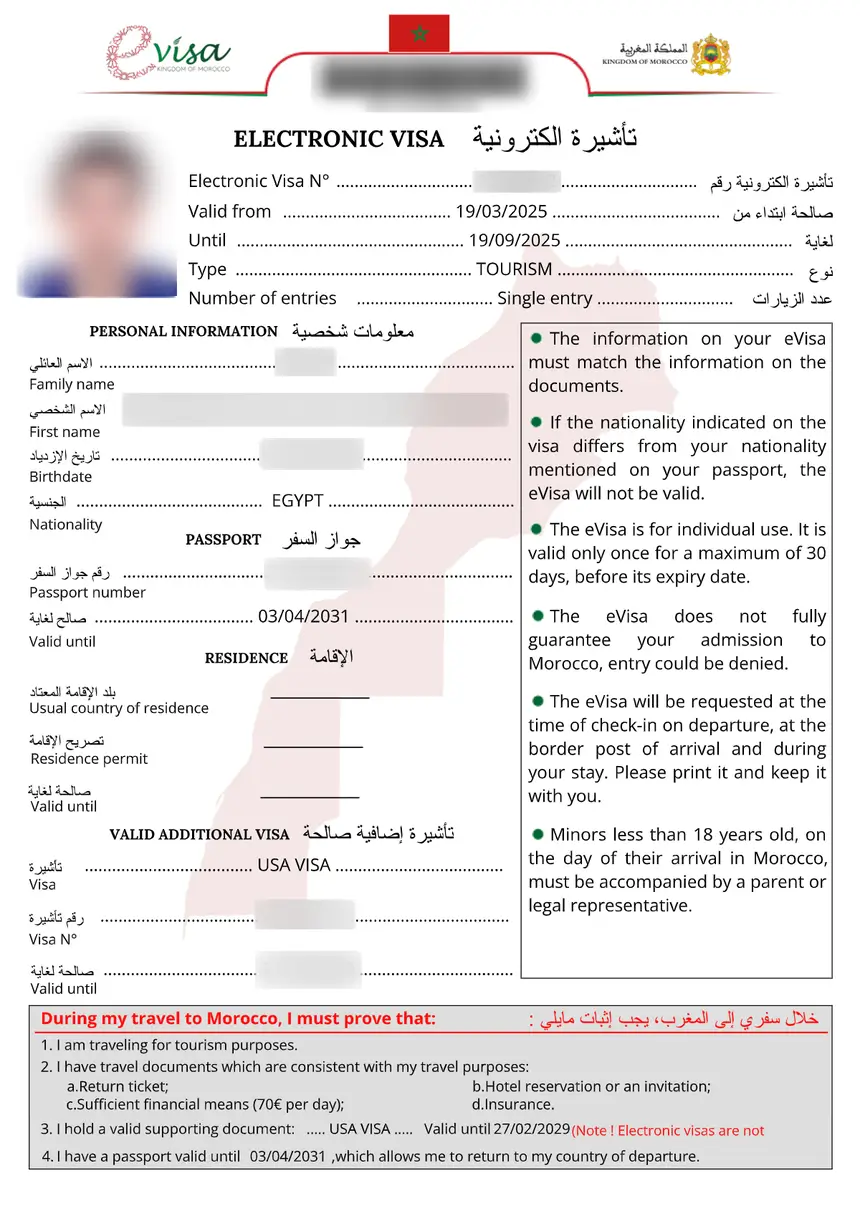
The Morocco eVisa was launched on July 10, 2022 for nationals of countries that do require a visa. Since Germany is visa-exempt, German citizens do not need to apply for an eVisa. However, if you hold dual nationality with a non-EU passport, you may need to check the eVisa eligibility requirements for your other citizenship.
Entry Requirements for German Citizens
Although no visa is required, German travelers must meet the following entry requirements:
| Requirement | Details |
|---|---|
| Valid passport | At least 6 months validity from date of entry |
| Return/onward ticket | Proof of intent to leave Morocco within 90 days |
| Accommodation proof | Hotel booking or host invitation letter |
| Sufficient funds | Proof of financial means for the duration of stay |
| Customs declaration | Required for items exceeding duty-free limits |
Your passport must be valid for at least six months beyond your planned entry date. Border officials may ask to see proof of accommodation and a return flight, though this is not always enforced in practice.
How Long Can Germans Stay in Morocco?
German citizens can stay in Morocco for a maximum of 90 days within any 180-day period without a visa. This is a rolling window – if you stay for 90 days and leave, you must wait at least 90 more days before re-entering for another full stay.
Overstaying the 90-day limit can result in fines, detention at the airport, or a ban on future entry. If you need to stay longer, you must apply for a visa extension at a Moroccan police prefecture before your 90 days expire.
Morocco Entry Process for German Travelers
When arriving at a Moroccan airport or port, German citizens go through these steps:
- Fill out the arrival/disembarkation card (distributed on the plane or at the border)
- Present your passport at the immigration counter
- Passport is stamped with the entry date
- Proceed to baggage claim and customs
The process is straightforward and typically takes 15-30 minutes at major airports like Casablanca (CMN), Marrakech (RAK), and Fez (FEZ).
German Embassy and Consulates in Morocco
If you encounter issues during your stay, the German diplomatic missions in Morocco can assist:
| Mission | Location | Services |
|---|---|---|
| German Embassy | Rabat | Full consular services |
| German Consulate General | Casablanca | Visa services, citizen assistance |
| Honorary Consul | Agadir | Limited services |
| Honorary Consul | Tangier | Limited services |
Traveling from Germany to Morocco: Key Routes
Direct flights from Germany to Morocco operate from several major airports:
| German Airport | Moroccan Destination | Airlines |
|---|---|---|
| Frankfurt (FRA) | Casablanca (CMN) | Royal Air Maroc, Lufthansa |
| Munich (MUC) | Marrakech (RAK) | Lufthansa, Eurowings |
| Berlin (BER) | Marrakech (RAK) | Ryanair, easyJet |
| Dusseldorf (DUS) | Agadir (AGA) | Eurowings, TUI fly |
| Cologne (CGN) | Fez (FEZ) | Ryanair |
Flight times range from approximately 3.5 to 4.5 hours depending on the route. Budget airlines like Ryanair and easyJet offer competitive fares, especially during the off-peak season from November to February.
Morocco eVisa: When Would a German Citizen Need It?
While German passport holders are visa-exempt, there are specific situations where a German citizen might need to apply for a Morocco eVisa:
- Dual nationals: If you hold German citizenship alongside a nationality that requires a visa for Morocco, and you plan to enter on your non-German passport
- Extended stays: If you plan to stay longer than 90 days (a visa must be obtained from a Moroccan consulate in Germany before travel)
- Work or study: If your purpose of visit is employment, education, or long-term residence, you need a specific visa type regardless of your nationality
For short tourist or business visits under 90 days, a German passport alone is sufficient.
Morocco Entry Requirements: What You Cannot Bring
Morocco has strict customs regulations. German travelers should be aware of these restrictions:
- Alcohol: Maximum 1 bottle of spirits and 2 bottles of wine
- Tobacco: 200 cigarettes or 50 cigars or 250g of tobacco
- Currency: No limit on foreign currency, but amounts over MAD 100,000 must be declared
- Medications: Carry a doctor’s prescription for any prescription drugs
- Drones: Prohibited without prior authorization from Moroccan authorities
- Religious materials: Large quantities may be confiscated at the border
Tips for German Travelers in Morocco
- Currency: The Moroccan Dirham (MAD) is the local currency. ATMs are widely available in cities. Credit cards are accepted at hotels and larger restaurants, but cash is essential for souks and smaller establishments.
- Language: Arabic and Berber are official languages. French is widely spoken. English is understood in tourist areas but less common in rural regions.
- Time zone: Morocco operates on GMT+1 year-round (same as Central European Time in winter, one hour behind CET during European summer time).
- Health: No mandatory vaccinations are required for German citizens. Tap water in major cities is generally safe, but bottled water is recommended in rural areas.
- Safety: Morocco is generally safe for tourists. Petty crime like pickpocketing occurs in crowded areas such as medinas and markets. Keep valuables secure and be cautious with unofficial guides.
FAQs About Morocco Visa for German Citizens
Can German citizens enter Morocco without a visa?
Yes. German citizens can enter Morocco visa-free for up to 90 days. All EU member states, including Germany, have been exempt from Moroccan visa requirements since 1969.
How long can a German citizen stay in Morocco without a visa?
German passport holders can stay for up to 90 days within any 180-day period. Overstaying may result in fines or a future entry ban.
Do German citizens need an eVisa for Morocco?
No. The Morocco eVisa is designed for nationals of countries that require a visa. Since Germany is visa-exempt, German citizens do not need to apply for an eVisa for short stays.
What documents do German citizens need to enter Morocco?
A valid German passport with at least 6 months validity remaining. Border officials may also ask for proof of accommodation and a return ticket.
Can I extend my stay beyond 90 days in Morocco?
You must apply for an extension at a Moroccan police prefecture before your 90 days expire. Extensions are not guaranteed and typically require a valid reason such as medical treatment or business needs.
Is there a Morocco visa on arrival for Germans?
No visa on arrival is needed. German citizens simply present their passport at the immigration counter. The entry stamp serves as the authorization to stay for up to 90 days.
Do German citizens need travel insurance for Morocco?
Travel insurance is not a legal requirement for entry but is strongly recommended. Medical facilities in Morocco vary in quality, and evacuation to Germany for serious medical issues can be expensive without insurance.
Can German permanent residents (non-citizens) visit Morocco visa-free?
The visa-free exemption is based on citizenship, not residency. Non-German citizens holding German residence permits must check the visa requirements for their own nationality. Some may qualify for the Morocco eVisa if they hold a valid Schengen, US, UK, Canadian, or Australian visa.